
Affordable Healthcare Access: Challenges and Solutions
- Dec 8, 2025
- 4 min read
Updated: Feb 9
Access to quality healthcare is a fundamental need for every community. Yet, many people in Georgia's District 20 face significant barriers when trying to get the care they deserve. As someone deeply invested in the future of our district, I want to share some insights on the challenges we face and practical healthcare accessibility solutions that can make a real difference. Together, we can work toward a system that serves everyone fairly and effectively.
Understanding the Challenges in Healthcare Access
Healthcare access is more than just having a doctor nearby. It involves affordability, availability, and the ability to receive timely care. In rural and semi-rural areas like much of District 20, these challenges become even more pronounced.
Distance and Transportation: Many residents live far from hospitals or clinics. Without reliable transportation, even a short medical appointment can become a major hurdle.
Cost Barriers: High insurance premiums, copays, and medication costs discourage many from seeking care until emergencies arise.
Provider Shortages: There is a shortage of healthcare professionals willing to work in rural areas, leading to long wait times and limited specialty care.
Insurance Complexity: Navigating insurance plans and coverage options can be confusing, especially for veterans and farmers who may have unique needs.
These challenges create a cycle where people delay or avoid care, leading to worse health outcomes and higher costs down the line.
Practical Healthcare Accessibility Solutions for District 20
Addressing these challenges requires thoughtful, practical solutions that respect our community’s values and realities. Here are some healthcare accessibility solutions that can help bridge the gap:
1. Expand Telehealth Services
Telehealth has proven to be a game-changer, especially during the pandemic. By expanding telehealth options, patients can consult with doctors from home, reducing travel time and costs.
Actionable Step: Support policies that increase broadband access in rural areas to make telehealth viable.
Benefit: Veterans and farmers can get timely advice without leaving their farms or homes.
2. Increase Support for Rural Healthcare Providers
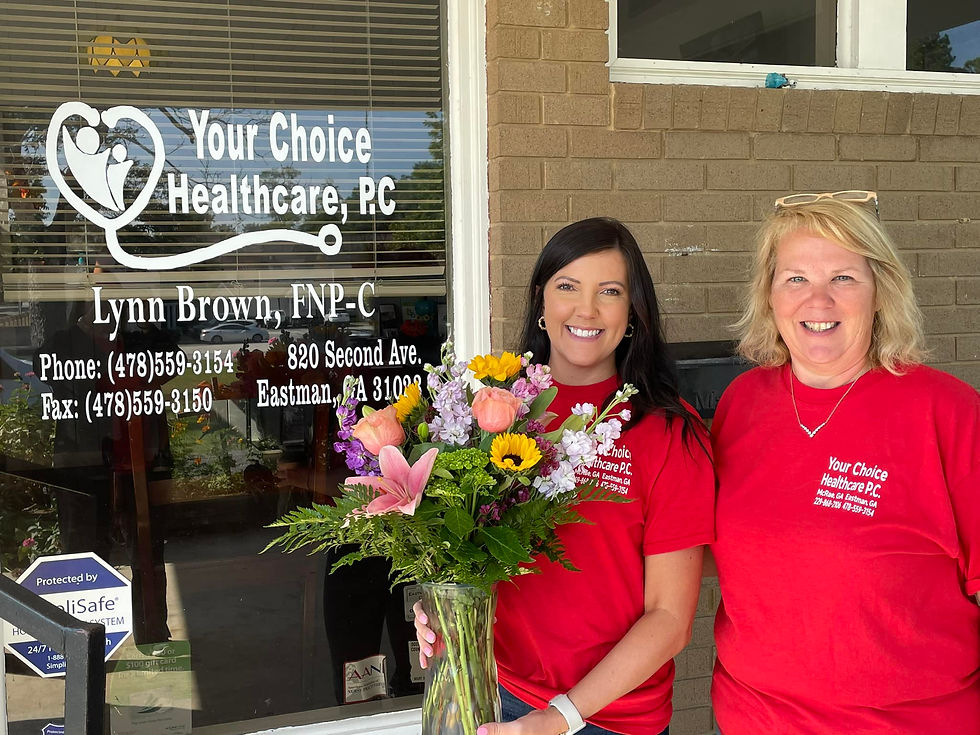
We need to attract and retain healthcare professionals in our district by offering incentives such as loan forgiveness, housing assistance, and competitive salaries.
Actionable Step: Advocate for state programs that fund rural healthcare workforce development.
Benefit: More local providers mean shorter wait times and better continuity of care.
3. Simplify Insurance Options and Increase Transparency
Insurance plans should be easier to understand, with clear information on coverage and costs. This helps families make informed decisions without feeling overwhelmed.
Actionable Step: Promote community workshops and online resources that explain insurance basics.
Benefit: Parents and veterans can choose plans that best fit their needs and budgets.
4. Support Community Health Centers
Community health centers provide affordable, comprehensive care regardless of a patient’s ability to pay. Expanding funding for these centers ensures more people have access to preventive and primary care.
Actionable Step: Encourage local and state investment in community health infrastructure.
Benefit: Farmers and families get reliable care close to home.

How Affordable Healthcare Access Can Transform Lives
When we talk about healthcare, affordability is key. That’s why I emphasize the importance of affordable healthcare access for every resident in our district. Affordable care means fewer people skip necessary treatments or medications because of cost. It means healthier children, stronger veterans, and more productive farmers.
Imagine a community where:
A veteran can get mental health support without worrying about bills.
A parent can take their child to a local clinic without driving hours away.
A farmer can access preventive care that keeps them healthy through the busy seasons.
These are not just ideals—they are achievable goals with the right policies and community support.
The Role of Education and Outreach in Healthcare Solutions
Healthcare accessibility solutions are not just about infrastructure and funding. Education plays a vital role in empowering people to take charge of their health.
Health Literacy Programs
Teaching residents how to manage chronic conditions, understand medications, and navigate the healthcare system is essential. Health literacy programs can make a significant difference in how people approach their health.
Outreach to Vulnerable Groups
Special programs for veterans, seniors, and low-income families can connect them with resources. Outreach efforts ensure that those who need help the most can access it.
Partnerships with Local Organizations
Collaborating with churches, schools, and agricultural groups can spread awareness about available healthcare resources. These partnerships can enhance community engagement and support.
By investing in education and outreach, we build a healthier, more informed community that can advocate for itself.
Moving Forward Together: A Vision for Better Healthcare
Improving healthcare accessibility in District 20 is a shared responsibility. It requires commitment from policymakers, healthcare providers, and community members alike. I am dedicated to championing these healthcare accessibility solutions that honor our conservative values—fiscal responsibility, personal freedom, and community support.
Together, we can:
Reduce healthcare costs without sacrificing quality.
Ensure that no one has to travel miles for basic care.
Support those who serve us, including veterans and farmers.
Build a healthcare system that reflects the strength and resilience of our district.
By focusing on practical, achievable steps, we can create a future where healthcare is accessible, affordable, and effective for all.
Conclusion: Your Health Matters
Thank you for taking the time to learn about these important issues. Your health and well-being matter deeply, and I am committed to working hard to bring these solutions to life in our community. Let’s move forward with hope and determination toward a healthier Georgia. Together, we can make a difference.


Comments